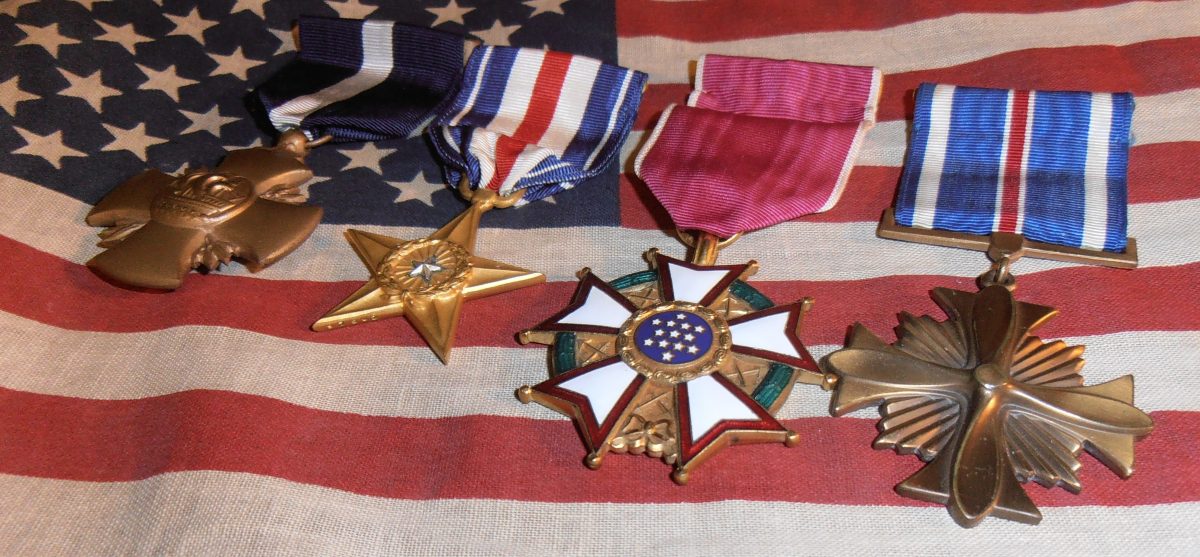
Having not had the good fortune to see the TV series of “Masters of the Air,” I have recently finished reading the book, and what a book it is. 525 pages, including the epilogue and acknowledgements. There’s a further 144 pages of notes, bibliography, and index due to the amount of resource Donald Miller used, some of which I read some years ago. “The mighty eighth” by Gerald Astor being one of them.
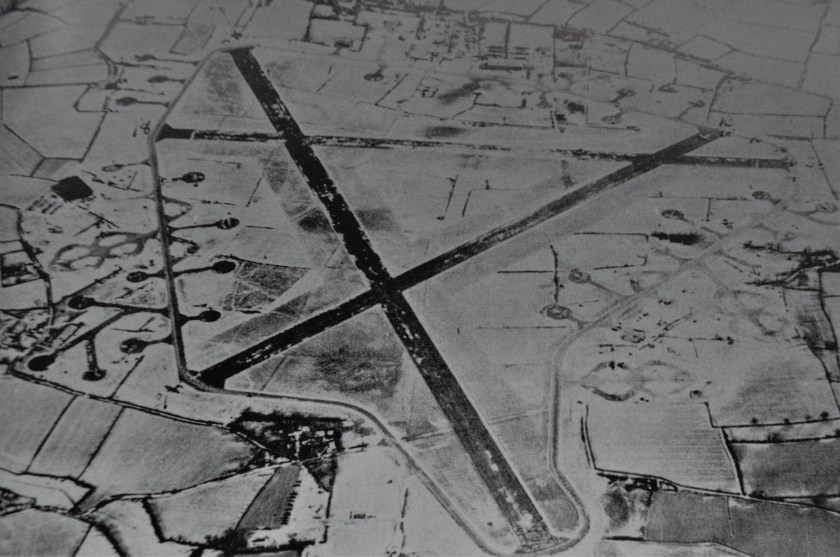
The book starts with an introduction to the bloody hundredth bomb group based at Thorpe Abbots (no doubt visiting numbers to the museum will rise due to the book and miniseries. One of the reasons I visited there in March of this year). The book then moves onto the origins of the 8th and why the army air-force wanted an autonomous bomber corp with Billy Mitchell being the main driving force. Miller delves into the politics not only behind the creation but also the use of the 8th and what the long term results were.
Night and Day. The RAF by night and the 8AF by day, although Churchill wanted the 8th to join the RAF in night time bombing, the 8th, especially their commander Carl Spaatz wanted the 8th to be able to see the targets they would bomb and using the new Norden bomb site with well armed aircraft in box formation would be better able to carry out their missions with greater precision.
The British by night however were carrying out carpet bombing of cities, especially of war workers dwellings to disrupt and put an end to the Nazi war machine. The US were uncomfortable with the killing of civilians and wanted to target industrial targets. There followed later arguments within the USAAF about the targeting of industrial or oil installations to which was more important to be destroyed.
Towards the end of the war the 8AF carried out (and some might say controversially) terror bombing of civilian area’s, including Berlin. The idea being to break the morale of the German people. There have been many arguments on both sides since to the effect of this decision. The German hierarchy stated that their resolve was never affected by this type of bombing, whereas others, some German civilians and the allies, differ.
The book is a masterpiece of the history of the mighty eighth and tells the sacrifice of those airmen who were for sometime the second front that the Russians were asking for and paid a heavy price for their efforts. There are a number of personal stories contained within the book, and I had the opportunity to see the graves of some of those mentioned therein.
We use the term of those who fought in World War 2 as the “Greatest Generation”, let’s hope and pray we never need to use that phrase again.
Masters of the Air. Donald L Miller. 2006.
Paperback, Ebury press, Penguin Random House UK 2024.
Originally published as “Eighth Air Force, the american bomber crews in Britain”.
Masters of the Air and Madingley Cemetery, England.
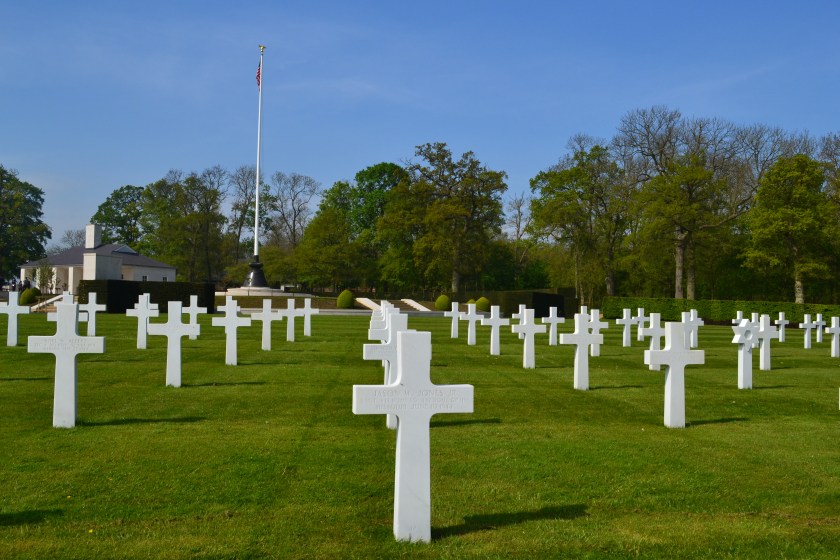
Whilst reading Donald L Millers book “Masters of the Air” based on the USAAF 8th air force and their part in the defeat of Nazi Germany, found a number of service men who were KIA and buried at Madingley American Cemetery. When I visited there in 2022 I was informed in the visitors centre that there were servicemen buried there who were mentioned in the book.
I revisited Madingley American Cemetery in April 2024 and found the graves of the following 4 service men:
2 Lt Mike Chaklos.
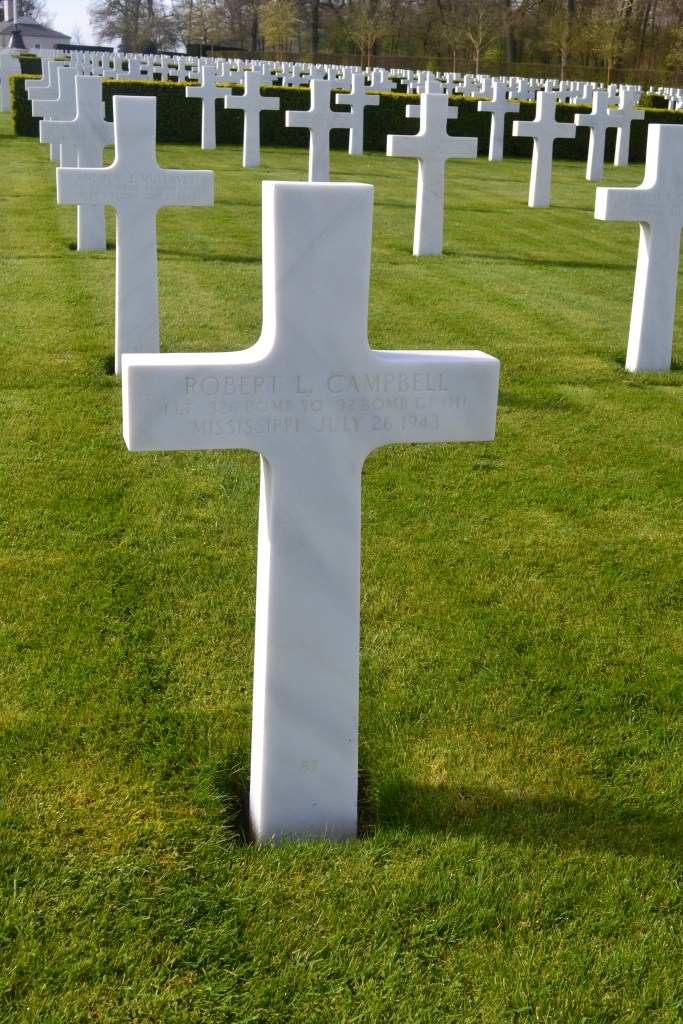
1 Lt Robert L Campbell.
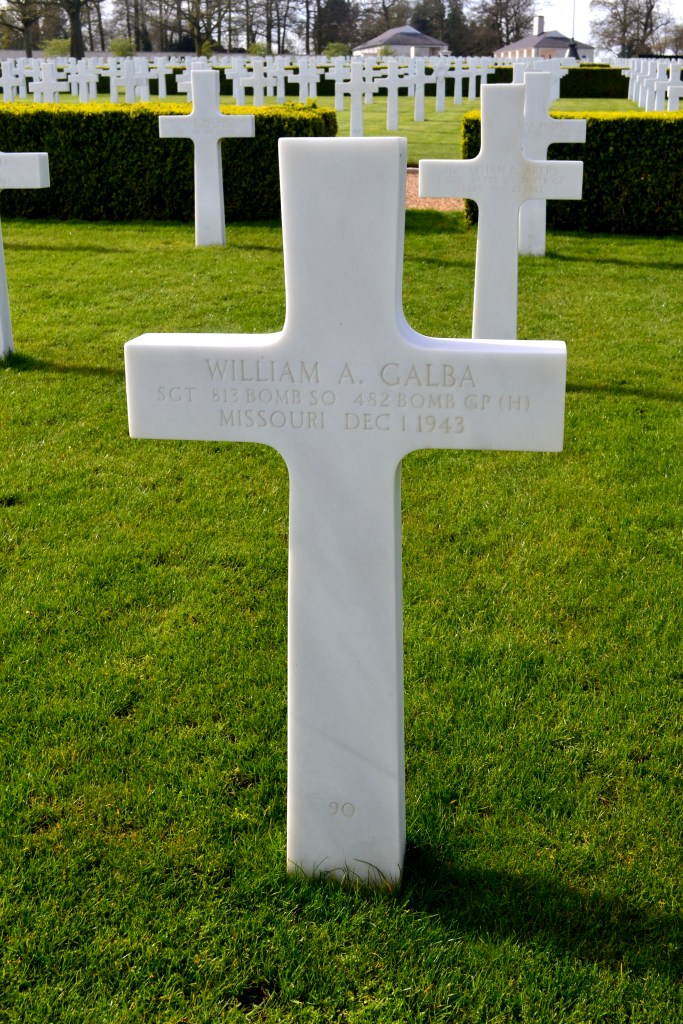
Sgt William A Galba.
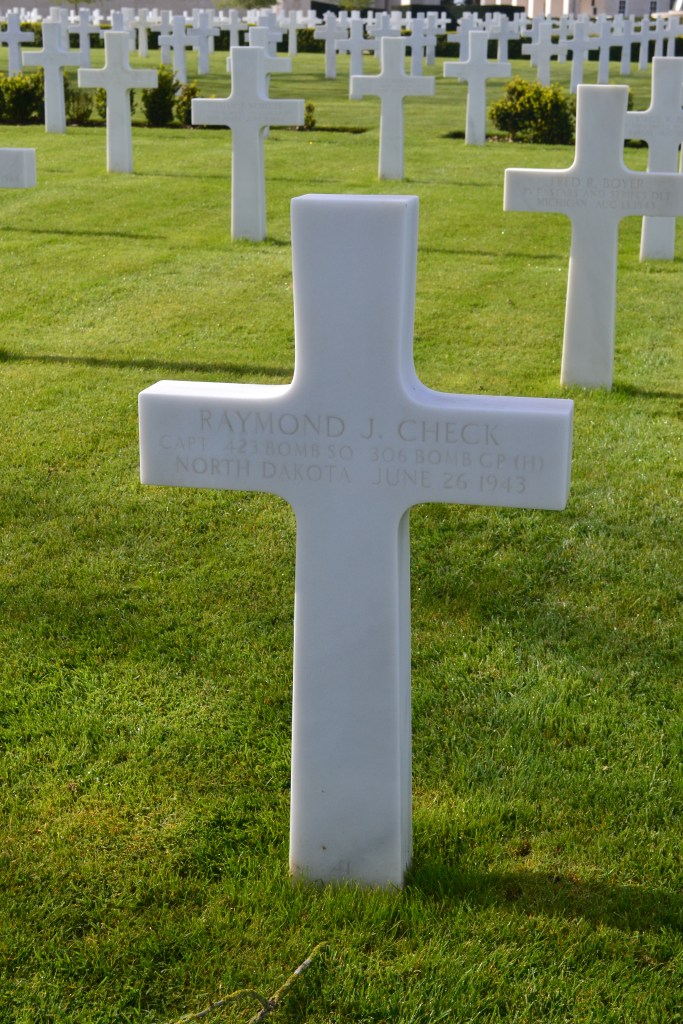
Capt Raymond J Check.
0-670001 2nd Lt Mike J Chaklos 388 BG 560 BS 5/1/1944. Mentioned at the end of the book as his grave was visited by his friend Eugene Carson before he left England for the States. “As i walked amongst the markers I silently cried my heart out”.

0-789368 1st Lt Robert L Campbell 326th BS 92BG 26/7/43. Mortally wounded by a 20mm cannon shell to the back of his head on a mission to Hanover. Campbells co-pilot Lt John “Red” Morgan took control of the plane and continued to the target whilst trying to keep Campbell alive, after dropping his bombs he returned safely to England. During the flight the top turret gunner Sgt Weaver lost an arm and the Navigator Lt Keith Koske managed to bandage the arm and attached a chute to Weaver and pushed him out of the plane hoping that the freezing temperature at high altitude would help stem the blood loss. Unfortunately Robert Campbell died not long after the plane made it back to an RAF airfield in Norfolk.
Sgt Weaver survived and was interred in Stalag 17B in Austria. Morgan was awarded the Congressional Medal of Honor but felt Lt Koske should have been awarded it instead.
37394801 Sgt William A Galba 482BG 813BS 1/12/43. Lack of Oxygen known as Anoxia was an ever present issue for airmen flying at high altitude. Calling on his intercom to see if anyone had been hit following an attack by enemy fighters, the Navigator got no reply from the B17’s tail gunner William Galba. Galba was found slumped over his gun not from wounds but lack of oxygen due to his disconnected oxygen tube. He was brought forward and laid out on the floor of the plane helped by the ball turret gunner William Moffat. The B17 by now was over the North Sea and had dropped to an altitude where masks could be removed. Unfortunately Sgt Galba couldn’t be revived and was interred at Madingley. Moffat visited the cemetery to place flowers on Galba’s grave as they were good buddies.
I’ve saved the worst till last. This is a tragic story.
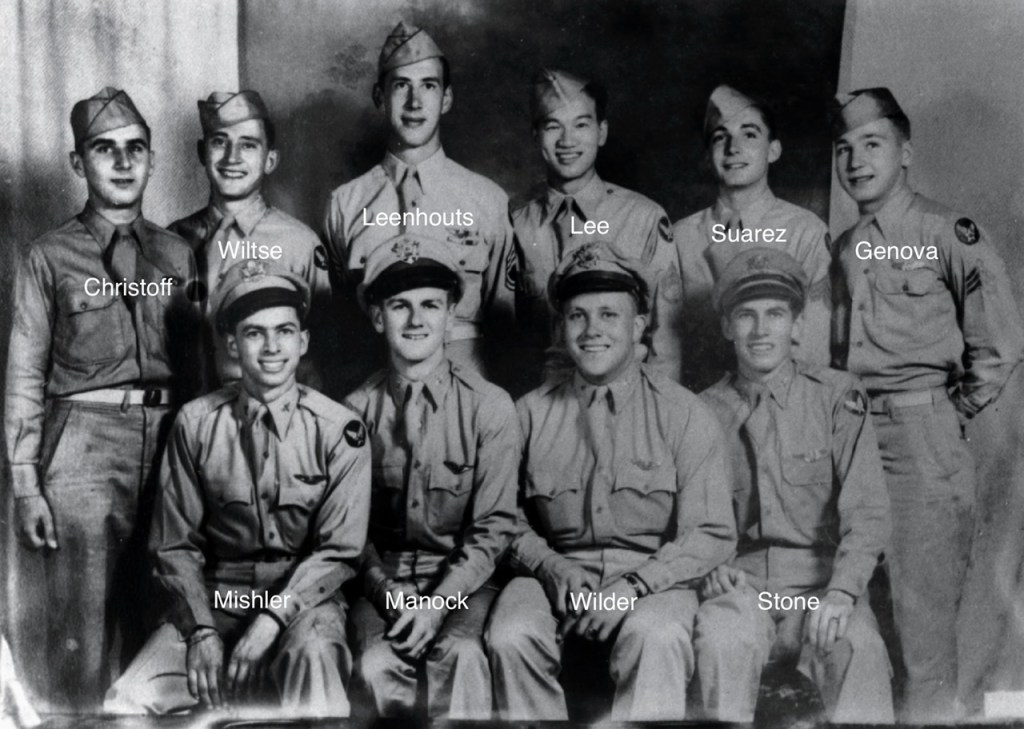
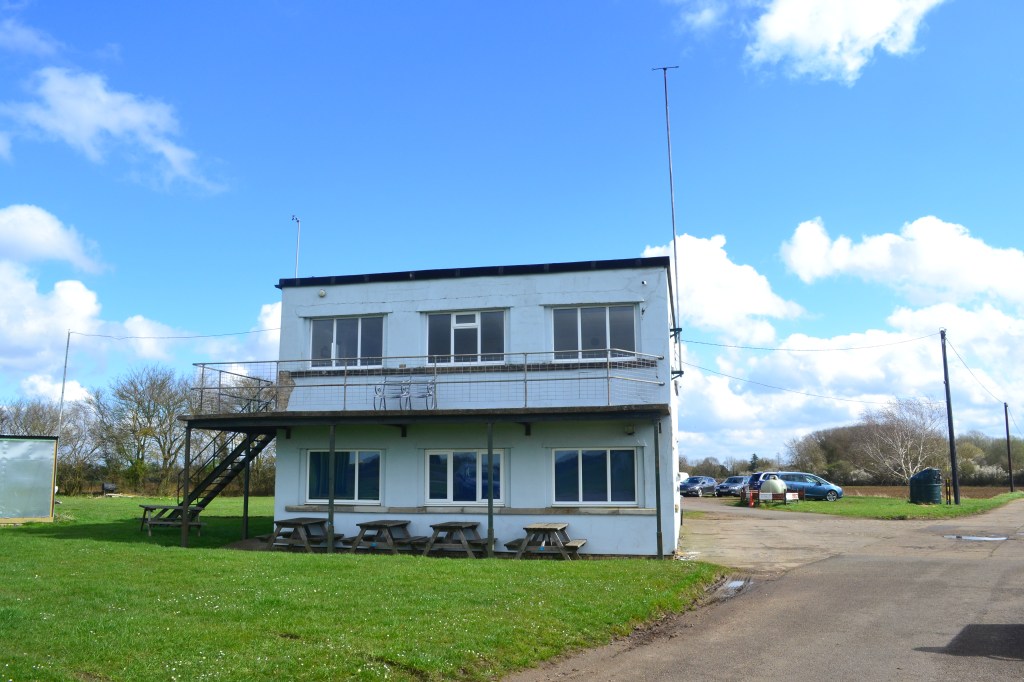
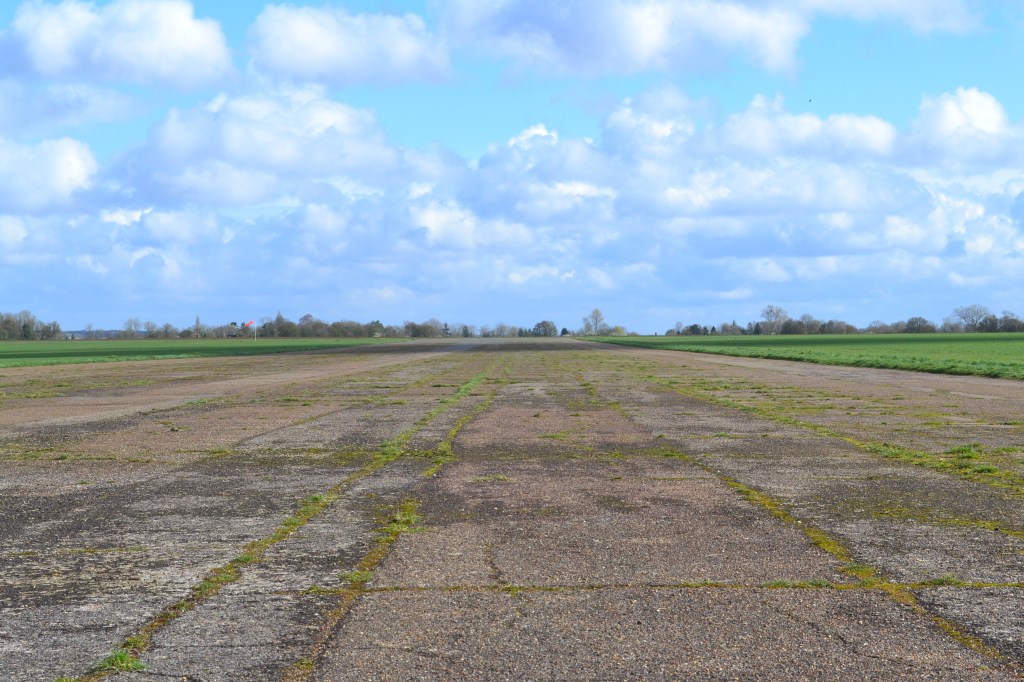
0-435856 Capt Raymond J Check 423BS 306BG 26/6/43. 25th mission, a milk run over France, then on his return to England Raymond Checks fiancee a Nurse in the American Red Cross would be waiting for him in a Jeep at the end of the runway as they were getting married the next day. His mates had also planned a big party for him that evening. During the final seconds of the bomb run in B17 “Chennaults Pappy 111” the bombers endured a surprise attack by enemy fighters and Capt Check was hit in the throat by a 20mm exploding round which basically decapitated him. His co pilot Lt Col James W Wilson was badly burned by a fire in the cockpit and then exploding flares which had set alight due to enemy bullets raking the cockpit. Wilson tried to fly the B17 but was seriously injured so his friend Lt William Cassidy who was operating a waist gun had to help Wilson out of his seat and take control of the plane all the time sat next to the body of Capt Check. Some of the crew had bailed out but Cassidy managed to fly the plane back to England. The plane had no radio and no flares to be able to communicate with the tower at Thurleigh and Cassidy landed the plane in the opposite direction he should have with a tail wind as he didn’t want Check’s Fiancee to be there when he stopped the plane. In Cassidy’s words “She never saw him. Good thing”.
From the hand of an anonymous author:
“Oh do not let the Dead March play, O’er these at Madingley do stay, For they were young and old-style gay, Play their music of the day, Tunes of Dorsey, songs of Bing, Let them hear Glenn Millers swing, Then too the crosses well may sway, With those at Madingley do stay”.
N.B. this article was originally published by myself on the Broadsword Military Forum as 2 separate articles. “Masters of the Air” in the book review and “Masters of the Air and Madingley Cemetery” in UK military sites and memorials.





 usmilawards.uk